Baby Pike Tail Bait

Products: 5

Showing all 5 resultsSorted by popularity

About the Baby Pike Tail Bait collection

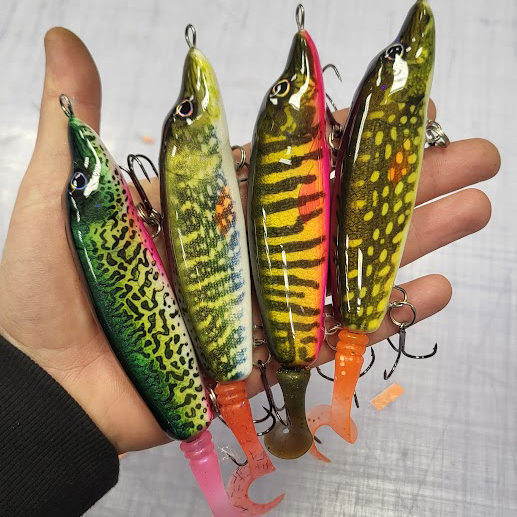
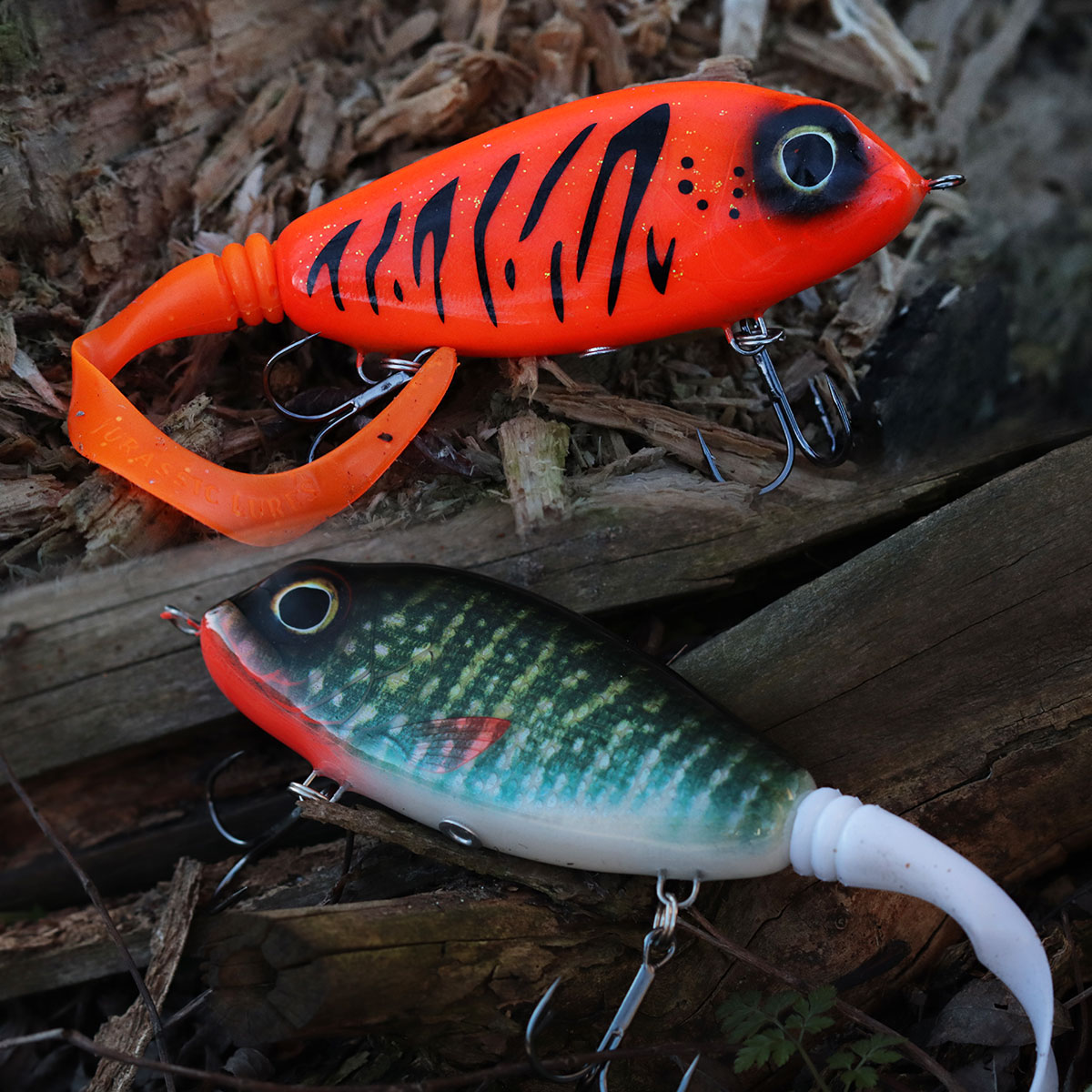
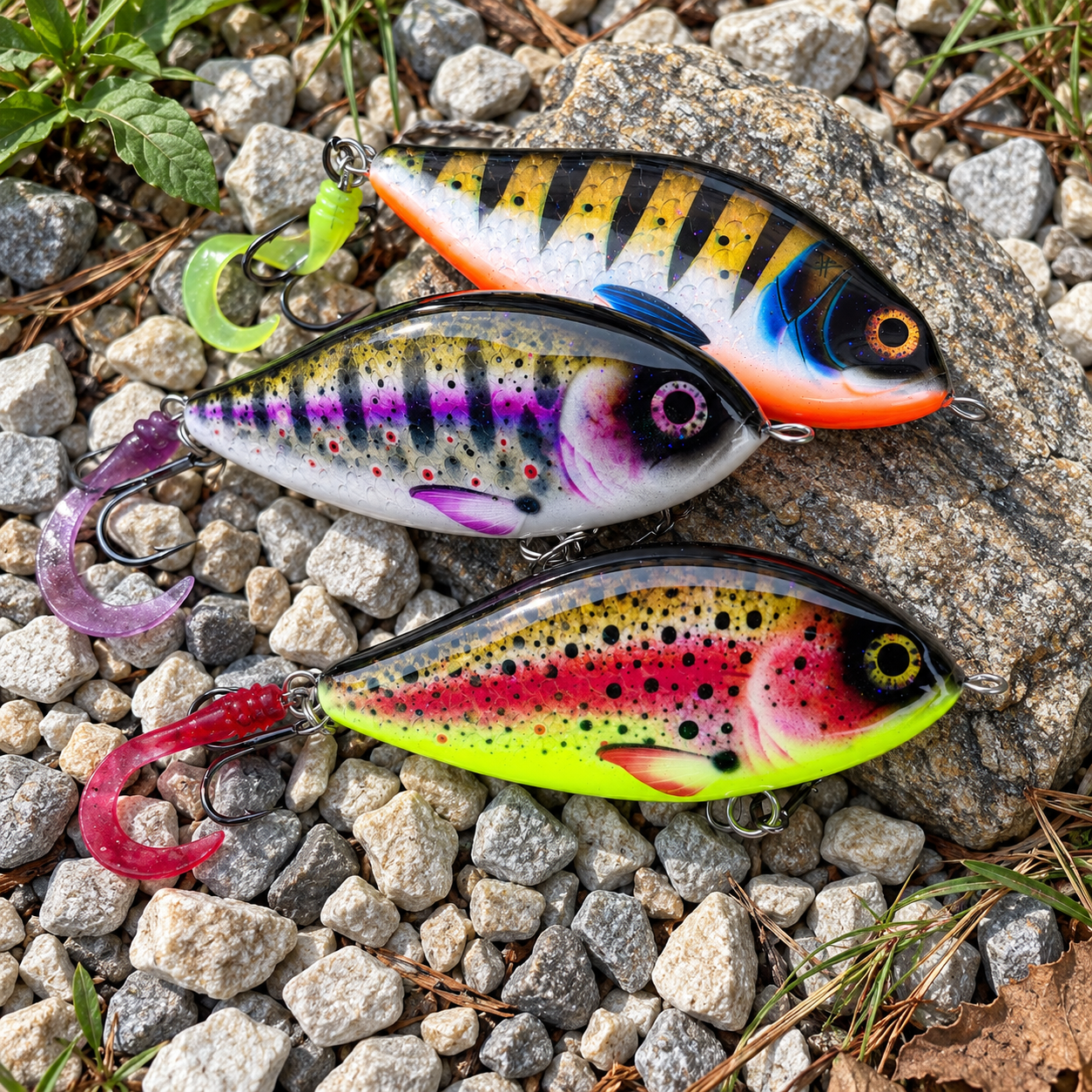
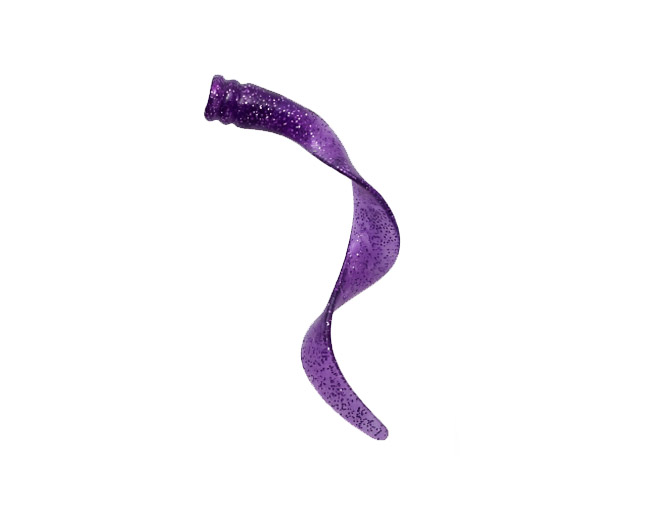
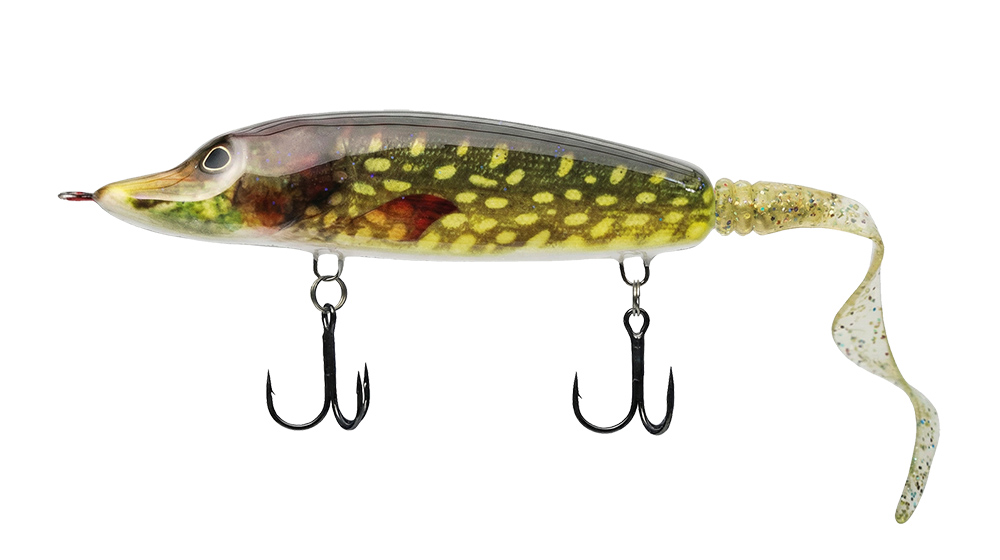
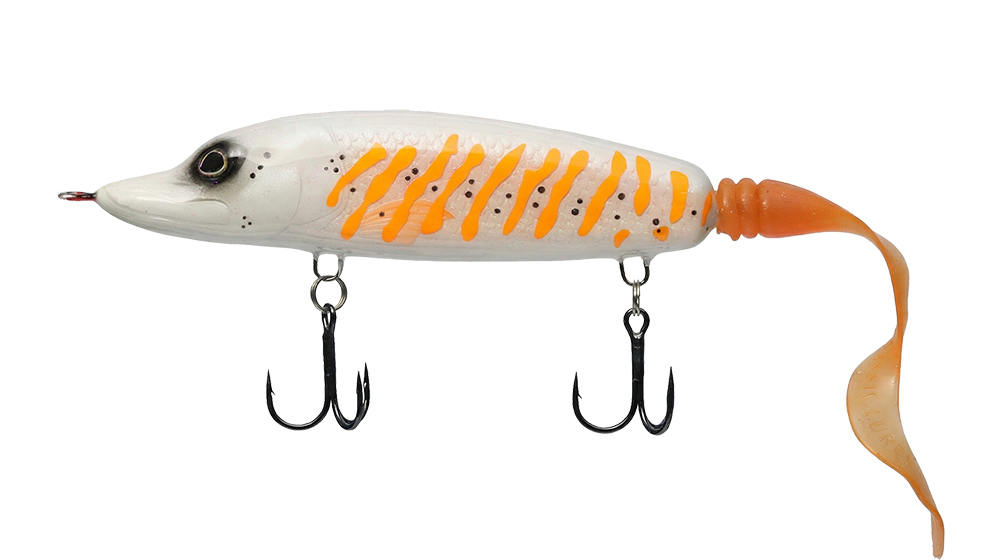
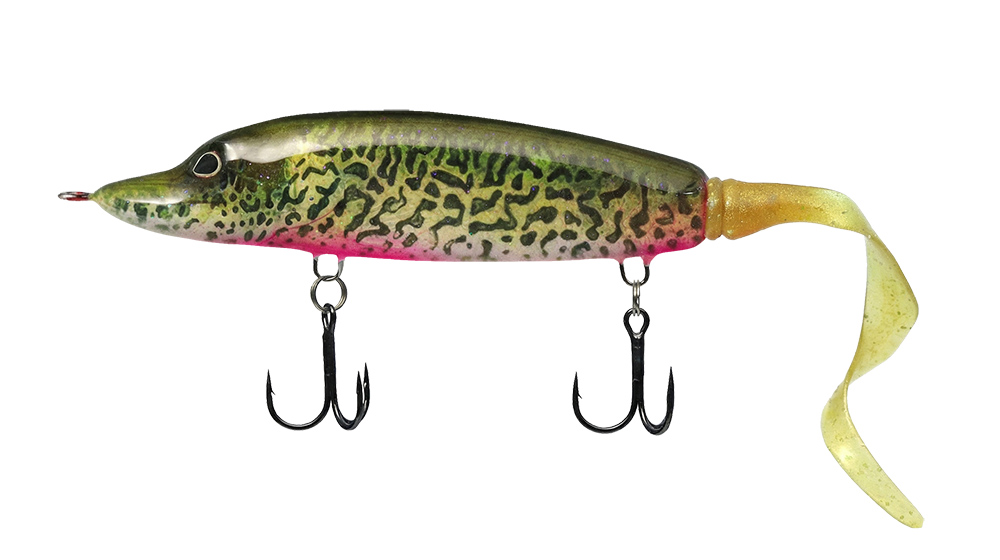
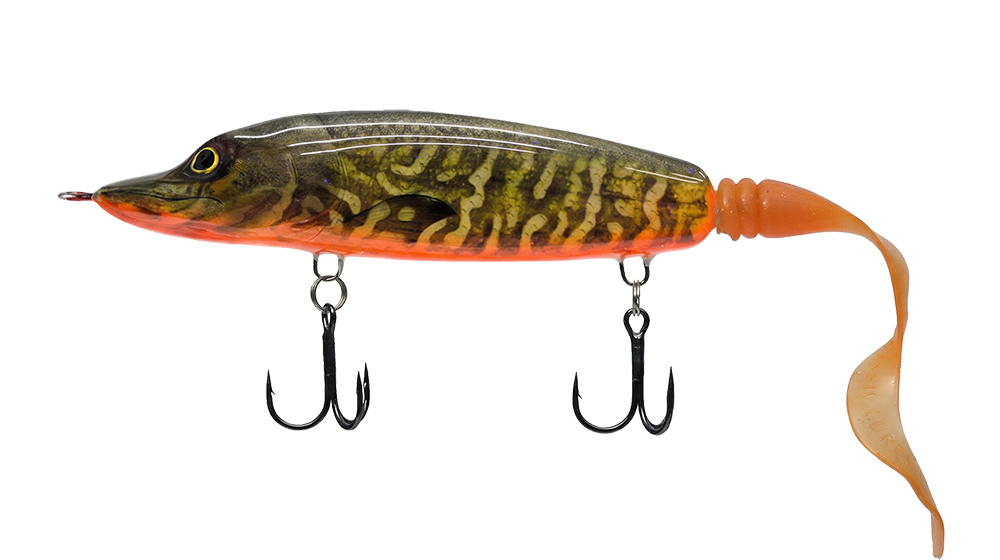
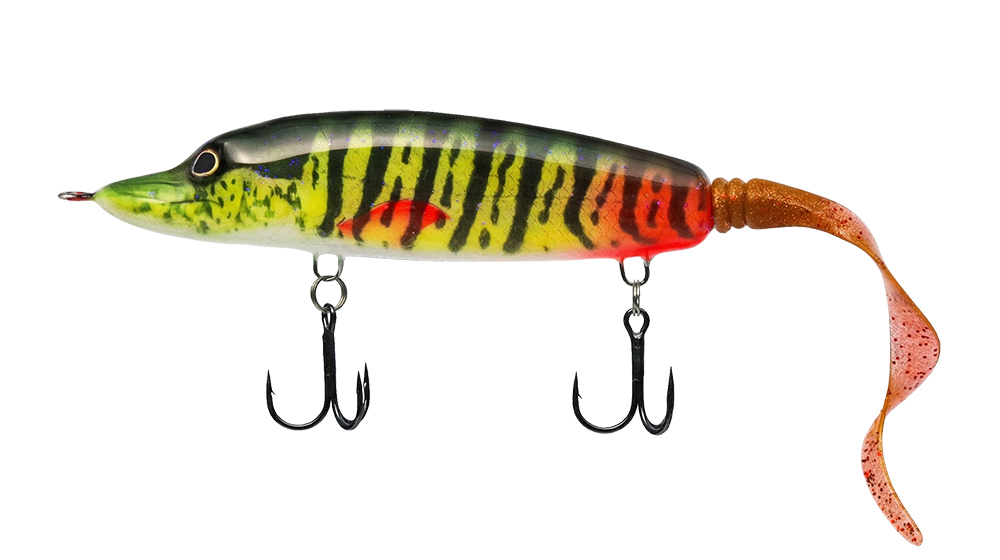
Baby Pike Tail Bait – a soft-tailed jerkbait for pike Baby Pike Tail Bait combines hard jerkbait action with soft-tail movement. During the retrieve, the lure makes controlled sideways glides while the tail follows the body, providing an extra stimulus during slowdowns, pauses and the fall. American gliders designed for musky fishing use a similar construction. A soft tail increases the lure's movement and visibility, especially on a slow retrieve. Baby Pike develops this idea by allowing you to change the action of the 17 cm version using two different tail sizes. Baby Pike 17 cm for shallow bays Baby Pike 17 cm is slow-sinking, allowing a calm retrieve in shallow bays, over vegetation and in places where a fast-sinking lure would have limited use. The slow sink rate allows longer pauses and keeps the lure in the pike's zone of interest for longer. Work Baby Pike with short, restrained rod movements without aggressive jerking. After each movement, allow it to finish the glide and begin a gentle fall. This approach works particularly well in colder water and for pike that are unwilling to chase a fast-moving lure. Two tails – two retrieve styles The Baby Pike Tail Bait 17 cm version accepts a screw-in 11 cm or 17.5 cm tail. Changing the tail does more than change the appearance: it also lets you adjust the speed and character of the lure's action. 11 cm tail – faster jerking The smaller tail creates less resistance in the water. Baby Pike responds faster to rod movements and can be worked with shorter, more dynamic jerks. A good choice when pike are active or you want the lure to change direction faster. 17.5 cm tail – a slower, more visible presentation The large tail increases the lure's overall profile and creates a stronger visual stimulus. Greater resistance encourages a calmer retrieve, slow jerking and longer pauses. Try this setup when selectively targeting larger pike or when fish activity is low. The soft tail maintains extra movement during slowdowns and a slow fall. This means the lure does not lose all its presentation when stopped. Two Baby Pike Tail Bait sizes Baby Pike TB 12 cm – 45 g, sinking, BKK size 2 treble hooks A lighter, more compact version. Its sinking construction gets it to a lower water layer faster. Ideal when pike prefer a smaller lure profile or the water calls for lighter tackle. Baby Pike TB 17 cm – 100 g, slow-sinking, BKK 2/0 treble hooks The larger version, designed for stronger tackle and selectively targeting pike. Its slow sink rate suits shallow bays and calm jerking. The option of 11 and 17.5 cm tails allows clear changes to its action. Before choosing a version, check the rod's maximum casting weight and match the line, leader and remaining tackle components to the lure's weight. How do you retrieve Baby Pike Tail Bait? Baby Pike works best with short rod movements interspersed with pauses. Very strong jerks are unnecessary. It is more important to give the lure time to complete its movement. When pike activity is low, try the large tail, gentler movements and longer pauses. When fish are feeding actively, the smaller tail allows a faster retrieve and more dynamic changes of direction.

Frequently asked questions

What type of lure is Baby Pike Tail Bait?

Baby Pike Tail Bait is a jerkbait for pike with a soft tail. It combines the side-to-side action of a hard lure with extra tail movement during the retrieve, as it slows down and as it sinks.

What action does Baby Pike Tail Bait have?

Baby Pike makes controlled side-to-side movements, while the soft tail adds movement and makes the lure more visible. You can vary its action by changing the jerking tempo, the length of the pauses and, on the 17 cm version, the tail size.

Is Baby Pike Tail Bait a sinking lure?

The 17 cm, 100 g Baby Pike Tail Bait is a slow-sinking lure. The 12 cm, 45 g version is a sinking lure, so it reaches deeper water more quickly.

What sizes is Baby Pike Tail Bait available in?

Baby Pike is available in two versions: TB 17 cm, 100 g with BKK size 2/0 treble hooks, and TB 12 cm, 45 g with BKK size 2 treble hooks.

Which Baby Pike size should I choose?

The 12 cm version is lighter, sinks and lets you cover deeper water more quickly. Baby Pike 17 cm has a larger profile, sinks slowly and works well with gentle jerking in shallower waters. Check your rod's maximum casting weight before choosing.

Is Baby Pike suitable for fishing in shallow bays?

Yes. The slow-sinking Baby Pike 17 cm is well suited to a gentle retrieve in shallow bays and above weed beds. Its slow sink rate lets you keep the lure at your chosen depth for longer.

How should I retrieve Baby Pike Tail Bait?

Baby Pike works best with short rod movements interspersed with pauses. You can also combine jerking with a gentle retrieve. Adjust the force of your movements and the length of the pauses to the depth and the pike's activity level.

Which tails can be fitted to Baby Pike 17 cm?

You can screw either a 17.5 cm tail or a smaller 11 cm tail onto the Baby Pike Tail Bait 17 cm version. Changing the tail lets you significantly alter how the same lure behaves during the retrieve.

How does Baby Pike 17 cm behave with an 11 cm tail?

The smaller 11 cm tail creates less drag in the water. It lets you retrieve Baby Pike faster, use shorter, more dynamic movements and get a quicker response to jerking.

How does Baby Pike 17 cm behave with a 17.5 cm tail?

The large 17.5 cm tail increases the lure's profile and visibility and creates more drag in the water. It works best with a gentler retrieve, longer pauses and slow jerking.

Does the Baby Pike tail keep moving during a pause?

The soft tail continues to add movement as the lure slows down and sinks slowly. This keeps Baby Pike conspicuous even during a pause, when pike often decide to strike.

Do I need a leader when fishing with Baby Pike?

Yes. When fishing for pike, use a leader that resists being cut by the fish's teeth. Match its strength to the weight of your chosen Baby Pike and the other components of your setup.
EN
Język
EN